




Rust represents one of the most enduring and underestimated hazards within the maritime sector. Although it may start as a minor blemish on a steel surface, its consequences can swiftly escalate into significant structural, operational, and financial challenges. For shipowners and operators, recognizing the threats posed by rust and taking immediate action to eliminate it is not merely advisable—it is crucial for ensuring safety, efficiency, and the long-term protection of assets.
The Concealed Risks of Rust at Sea
Vessels function in one of the most severe environments conceivable. Continuous exposure to saltwater, humidity, and fluctuating temperatures creates ideal conditions for corrosion. Rust develops when iron or steel interacts with oxygen and moisture, resulting in the gradual deterioration of metal surfaces.
One of the main threats posed by rust is the weakening of structural integrity. Essential components such as hulls, decks, cargo holds, and support structures depend on their strength to uphold the vessel’s integrity. When rust erodes these areas, it diminishes thickness and undermines load-bearing capacity. Over time, this deterioration can result in cracks, leaks, or even catastrophic failures in extreme situations.
Additionally, rust presents considerable safety hazards. Corroded surfaces become fragile and uneven, heightening the risk of slips, trips, and injuries among crew members. Furthermore, weakened equipment such as ladders, railings, and mooring systems may fail unexpectedly, endangering lives during routine operations.
Another frequently neglected concern is contamination. In cargo holds, rust flakes and residues can taint goods, particularly sensitive items like grains, chemicals, or food products. This not only results in financial losses but can also harm a company’s reputation and its relationships with clients.
Operational and Financial Consequences
Neglecting rust does not eliminate it; rather, it escalates costs. What begins as minor corrosion can rapidly proliferate, necessitating extensive repairs or even the replacement of entire sections of a vessel. When rust is allowed to persist untreated for extended periods, maintenance expenses increase significantly.
In addition, rust can adversely affect a ship’s performance. The heightened surface roughness on the hull results in increased water resistance, which diminishes fuel efficiency and raises operational costs. In an industry where fuel constitutes one of the largest expenditures, this presents a significant issue.
Regulatory compliance is yet another consideration. Maritime authorities and classification societies enforce stringent standards concerning vessel condition. Severe corrosion can lead to failed inspections, resulting in delays, fines, or even the detainment of the vessel. Prompt rust removal is essential to ensure compliance and prevent unnecessary interruptions.
The Importance of Timely Rust Removal
Effectively managing rust hinges on early detection and swift action. Regular inspections enable crew members to pinpoint problem areas before they escalate. Upon detecting rust, it should be removed without delay to avert further spread.
Timely rust removal not only maintains the structural integrity of the vessel but also prolongs its service life. It guarantees that surfaces remain smooth and prepared for protective coatings, such as primers and paints, which serve as barriers against future corrosion.
Furthermore, proactive maintenance minimizes downtime. Tackling rust issues during scheduled maintenance intervals is significantly more efficient than addressing emergency repairs that disrupt operations and schedules.
Effective Instruments for Rust Elimination
Utilizing appropriate instruments significantly impacts the efficiency and thoroughness of rust elimination. Contemporary solutions are crafted to conserve time, lessen labor demands, and provide reliable outcomes.
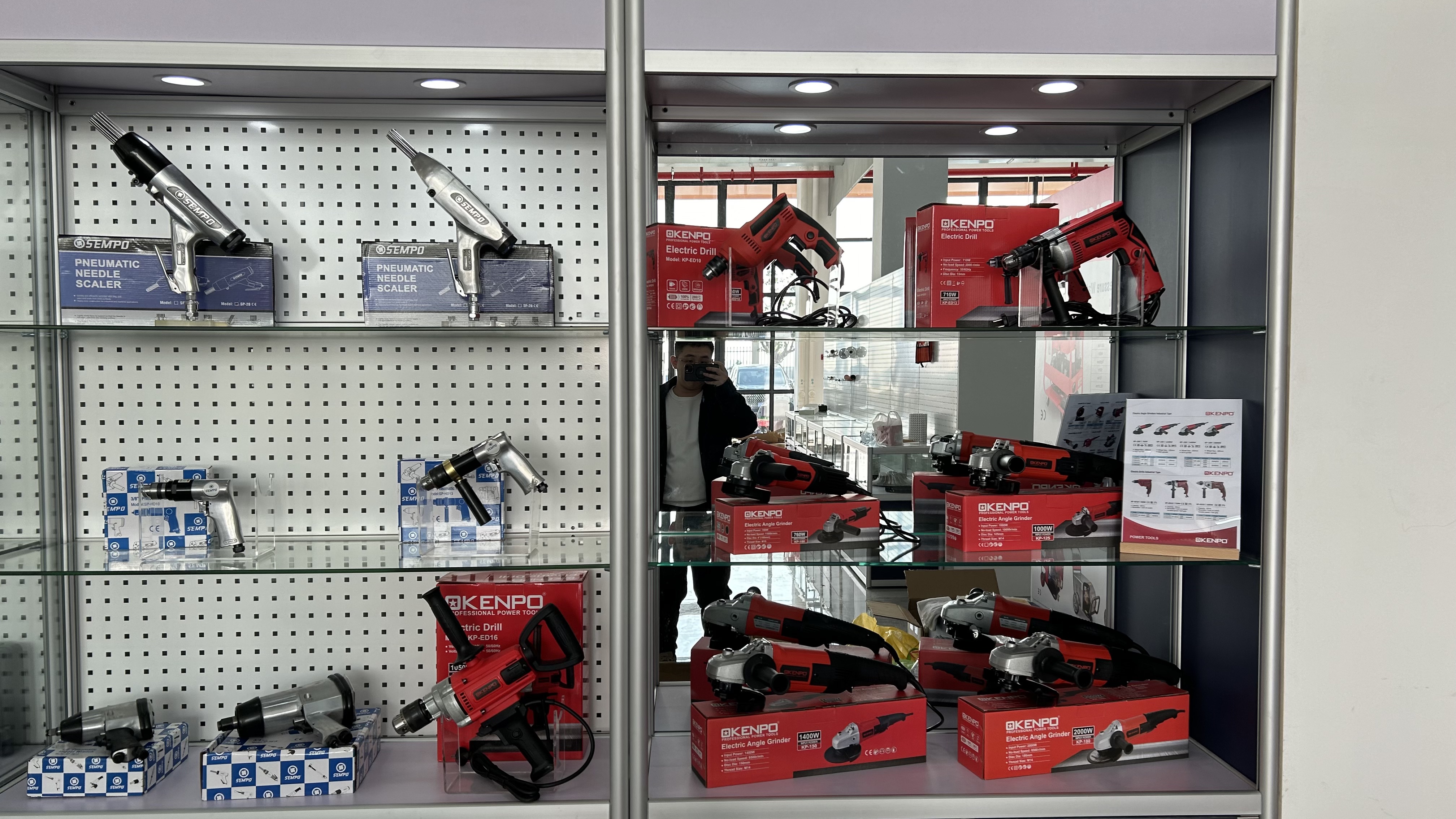
We have a variety of professional rust elimination instruments are accessible to cater to diverse operational requirements. This selection includes pneumatic rust elimination tools, which are highly regarded for their strength and effectiveness in addressing persistent corrosion. They are particularly suited for expansive surfaces and heavy-duty tasks typically encountered on vessels.
High-pressure cleaning apparatus is another vital solution. These instruments proficiently eliminate rust, grime, and outdated coatings, preparing surfaces for repainting and additional protection. Their adaptability renders them appropriate for both deck and cargo hold upkeep.
Moreover, needle scalers and other specialized tools are engineered to access tight or irregular spaces where rust frequently gathers. These instruments guarantee that no concealed corrosion is overlooked, aiding in the maintenance of a comprehensive upkeep standard.
Conclusion
Rust transcends mere aesthetic concerns—it poses a significant risk to the safety, functionality, and durability of any vessel. If left unaddressed, it can result in structural deterioration, operational inefficiencies, safety risks, and expensive repairs.
By emphasizing prompt rust elimination and investing in dependable tools, shipowners and operators can effectively counteract corrosion and safeguard their assets. Consistent maintenance, paired with the appropriate equipment from your product selection, ensures that vessels remain safe, efficient, and compliant with industry regulations.
In the fight against rust, proactive measures and the right tools are your most formidable allies.

Post time: Mar-31-2026