



Introduction
For dry bulk operators, charterers, and surveyors, the term “clean holds” may appear straightforward. In practice, however, it is a common cause of delays, off-hire disputes, cargo rejection, and expensive arbitration claims throughout the bulk shipping industry. The central difficulty is that maritime practice has no single, universally accepted definition of “clean.” One surveyor may approve a hold for loading, while another inspector at the same port may reject it, despite the same cleaning work having been completed. P&I loss records indicate that many disputes stem not from inadequate cleaning, but from unclear charter wording and differing expectations between shipowners and charterers
Common Hold Cleaning Standards and Ambiguity
Terms such as shovel clean, normal clean, grain clean, and hospital clean are frequently included in voyage and time charter clauses. However, none has a globally agreed, binding definition
- Shovel clean: Loose cargo residues are removed by sweeping or mechanical methods; washing is not required. Minor staining is generally acceptable.
- Normal clean: All residues from the previous cargo are removed, and the hold is then washed and dried for loading compatible cargoes.
- Grain clean: A stringent standard for food-grade cargoes. Holds must be dry and free from dust, odour, loose scale, and visible residue, with particular attention paid to the undersides of hatch covers, frames, and hopper plating.
- Hospital clean: The most demanding standard, requiring sanitised surfaces, intact coatings, and no risk of contamination for sensitive cargoes.
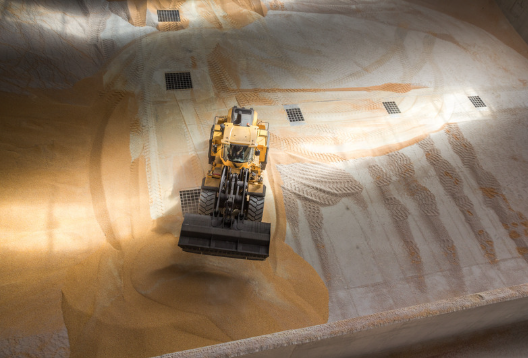
If these terms appear in a charterparty without additional detail, the outcome depends largely on the attending surveyor’s subjective assessment. This leaves the master and crew uncertain: they may finish cleaning believing the requirement has been met, only to fail inspection and face commercial consequences.
Lessons from Arbitration Cases
A frequently cited Steamship Mutual case clearly demonstrates this risk. Three separate surveyors inspected a vessel’s holds and approved them, but a fourth surveyor rejected the same holds because of remaining rust and traces of previous cargo. The tribunal upheld the later rejection. Notably, the owner’s decision to carry out further cleaning was treated as an acknowledgment that the holds did not meet the charter clause, notwithstanding the earlier approvals.
The case offers a clear warning: an earlier survey approval does not guarantee acceptance at a later stage, and owners cannot rely on a previous pass as a defence. Disputes can quickly lead to off-hire claims, additional cleaning costs, missed laycans and cargo compensation.
Practical Steps to Reduce Contract Risk
The most effective risk controls begin before the vessel is fixed.
1. Do not rely solely on vague shorthand terms. Include objective descriptions in charter clauses specifying which residues must be removed, whether fresh-water washing, chemical treatment or complete drying is required, and which standard applies.
2. Agree in writing on the scope of inspections and the acceptance criteria.
3. Keep thorough records of all cleaning work, photographs, ventilation records and survey comments. Evidence is essential if a disagreement arises.
4. Match onboard cleaning plans to the cargo type. Grain, fertiliser, mineral ores and steel products each present distinct contamination risks.
5. Ensure the master and crew understand the precise charter requirements instead of relying on routine cleaning practices.
Conclusion
Hold-cleaning disputes will not end overnight, but uncertainty can be reduced through clearer contracts, aligned expectations, and consistent documentation. Establishing what “clean” means before loading eliminates guesswork for surveyors, masters, and ship managers. Reliable, repeatable cleaning procedures help vessels pass inspections consistently and prevent costly contractual disagreements. Our high-pressure washers and cargo-hold chemical spray kits support thorough, controlled hold preparation, helping operators meet the agreed cleaning standard.


Post time: Nov-11-2026