




Many maritime professionals often question: Why is it necessary for cargo ships to undergo frequent rust removal instead of being constructed from stainless steel? This inquiry is valid; however, stainless steel is not a suitable material for large ocean-going vessels, despite its resistance to rust. Carbon steel continues to be the preferred material for ship hulls, decks, and structures, making regular rust maintenance a crucial aspect of marine vessel care.
Primarily, cost is the main constraint. Marine-grade stainless steel is 4 to 7 times more expensive than conventional shipbuilding carbon steel. A single large cargo ship requires thousands of tons of steel, thus constructing it entirely from stainless steel would result in prohibitively high shipbuilding expenses and significantly low economic returns for ship owners.
Furthermore, stainless steel fails to provide dependable protection in harsh marine conditions. Seawater contains high levels of chloride ions, which can lead to invisible pitting and crevice corrosion on stainless steel surfaces. In contrast to the uniform and visible rust of carbon steel, which is straightforward to inspect and repair, corrosion on stainless steel occurs internally, resulting in unexpected plate perforation and concealed structural hazards.
In addition, stainless steel presents significant technical challenges. It requires intricate, high-precision welding techniques that prolong shipbuilding timelines and increase labor costs. Additionally, the presence of dissimilar metals, such as propellers and copper pipes on vessels, can induce severe electrochemical corrosion when in contact with stainless steel, disrupting standard cathodic protection systems and hastening component deterioration.
For these reasons, the maritime sector relies on carbon steel hulls that are equipped with anti-corrosion coatings. Nevertheless, the persistent impact of waves, erosion from seawater, the adhesion of marine organisms, and abrasion on the deck rapidly deteriorate the protective paint. Once the coating begins to peel, rust can spread swiftly, necessitating regular and thorough rust removal and repainting to prolong the service life of the vessel.
Effective rust removal is fundamental to marine maintenance, and our specialized marine rust removal equipment portfolio is ideally suited to meet the needs of shipyards and vessel upkeep. Our high-pressure washers efficiently eliminate surface rust, old paint, and marine attachments from hulls, ensuring high cleaning efficiency without causing surface damage.
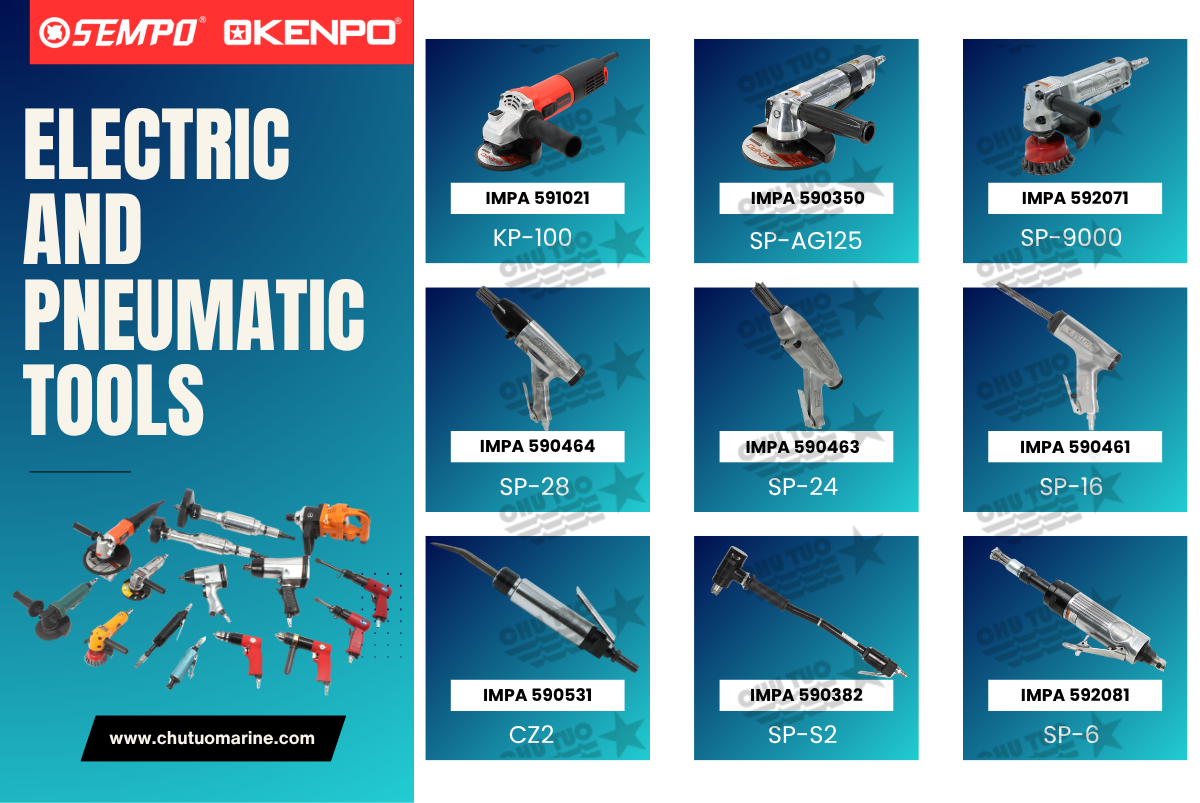
For the treatment of rust on decks and local structures, our deck rust removal machines provide consistent and comprehensive cleaning results. Additionally, we offer a complete selection of electric and pneumatic rust removal tools, including rust removal guns, rust cleaning brushes, angle grinders, and rust hammers. These lightweight and durable tools are designed to adapt to tight corners, weld seams, and intricate ship surfaces, effectively addressing all localized rust issues with flexibility.
Our comprehensive range of marine rust removal equipment assists shipyards and ship owners in reducing dock maintenance cycles, lowering manual labor costs, and achieving standardized, high-quality anti-rust maintenance. Dependable tools ensure that regular vessel rust removal is efficient, cost-effective, and free from complications.

Post time: Aug-07-2026