



For bulk carriers, the decision regarding cargo hold cleaning is predominantly determined by the subsequent cargo classification. Should the vessel be designated to transport an identical commodity as the preceding voyage, elementary sweeping may prove adequate. Conversely, when transitioning between dissimilar cargoes—such as transitioning from ore, coal, or cement to grain, fertilizer, or food-grade commodities—comprehensive hold cleaning becomes essential. Residual particulate matter adhering to bulkheads and deck surfaces may precipitate cargo contamination, survey hold rejection, and substantial commercial liabilities if neglected.
Conventional high-pressure water flushing produces substantial quantities of hold-wash water. This contaminated wash-water accumulates in the ship’s bilge wells and necessitates appropriate management protocols. Pursuant to marine environmental regulations, polluted hold wash water cannot be indiscriminately discharged into marine environments, particularly within inland waterways. Vessels are obligated to convey wash water to shore-based port reception facilities for specialized treatment, thereby mitigating marine pollution penalties.
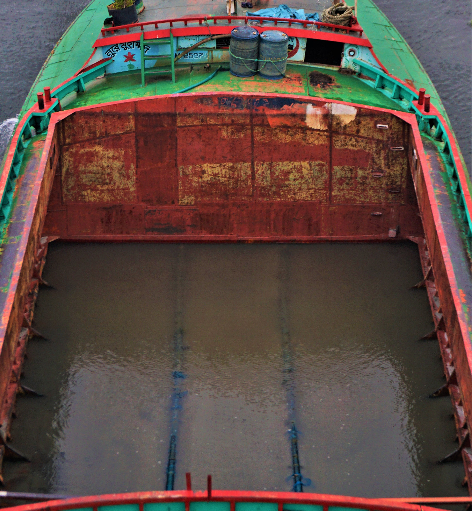
Water jetting methodology alone frequently proves insufficient in dissolving consolidated deposits. Iterative water-washing operations additionally generate elevated volumes of polluted wash-water, intensifying demands on onboard sewage management systems and port-reception infrastructure. This circumstance underscores the operational advantages presented by our Cargo-Hold Chemical Cleaning Kit.
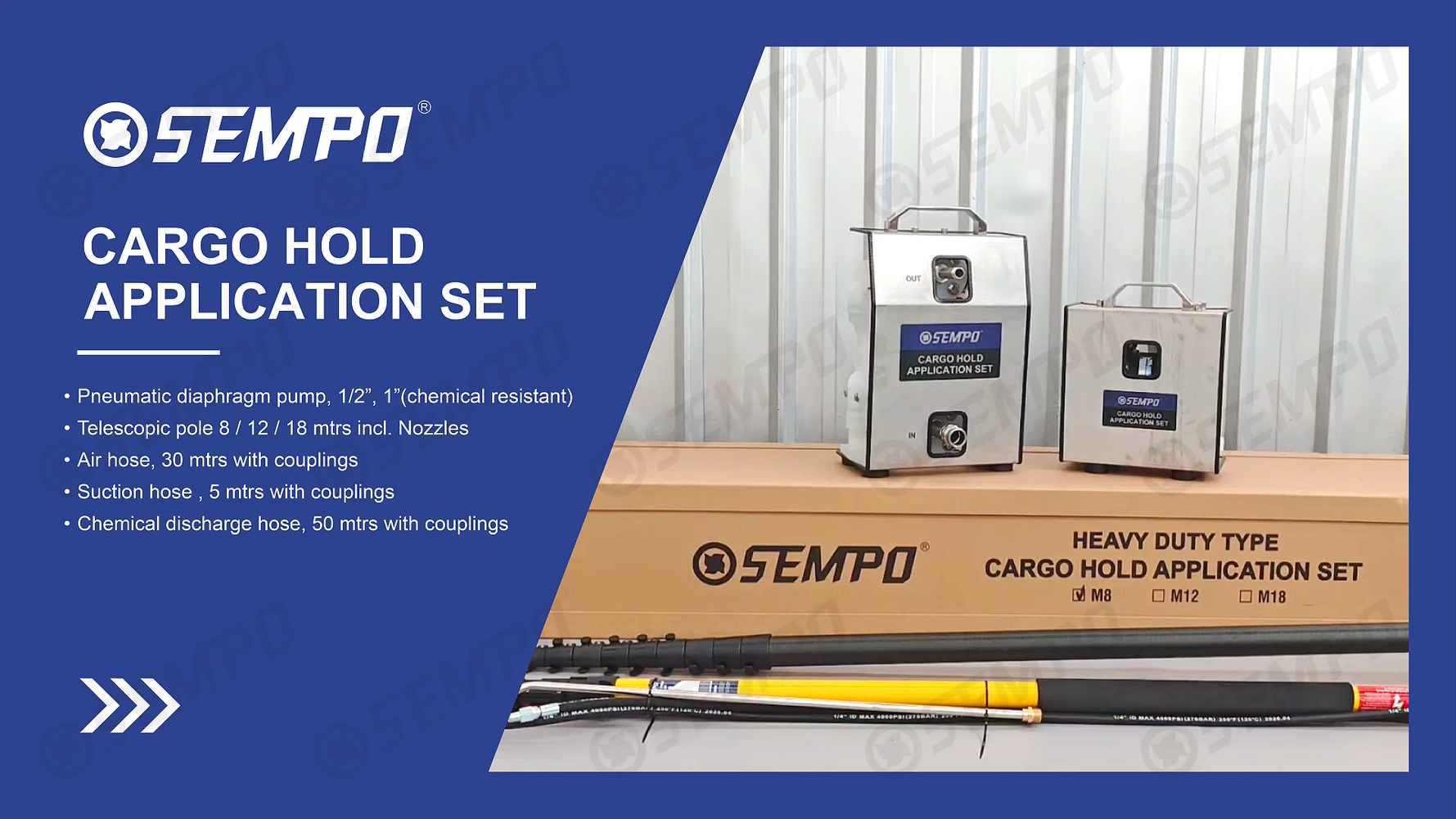
This comprehensive kit incorporates marine-compatible cleaning agents and corresponding spray apparatus. The chemical formulation effectively softens and dissolves persistent cargo residues preceding the rinsing phase. Substantially reduced water consumption is achieved relative to successive pure-water hosing applications. Consequently, the aggregate volume of contaminated hold-wash water is significantly diminished. Crew members can accomplish satisfactory hold conditions through fewer washing iterations.
Implementing our kit facilitates vessels in accomplishing two concurrent objectives: preparing holds for incoming cargo to satisfy pre-loading survey requirements, and minimizing the volume of polluted wash-water designated for shore-based disposal. For bulk operators engaged in frequent cargo grade transitions, this solution enhances both hold-cleaning operational efficiency and environmental regulatory compliance.

Post time: Oct-29-2026