



Introduction
For bulk carriers, waiting at anchor while cargo holds are cleaned and inspected can be one of the most expensive operational delays. Charterers, shipowners and surveyors recognise that rushed cleaning can result in failed surveys, repeat work and prolonged delays, while poorly planned schedules can leave vessels idle longer than necessary. The UK P&I Club’s <Carefully to Carry> guidance identifies a structured, step-by-step cleaning timeline as the most dependable way to balance cleaning standards, compliance and turnaround times.
An effective hold-cleaning schedule involves more than scrubbing away residues. It coordinates cleaning tasks, hand tools and powered equipment with vessel movements, survey availability and weather conditions, ensuring each activity is completed in the right order without avoidable downtime. Manual tools and powered cleaning equipment are both essential: hand tools remove stubborn solid debris that pressure washers alone cannot dislodge.
Core Principles of a Planned Hold Cleaning Workflow
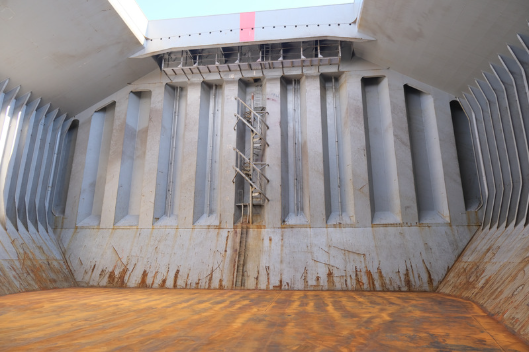
Efficient scheduling depends on sequencing tasks correctly. Some steps must be performed in a particular order, since mistakes can undermine cleanliness or waste time and resources. The complete workflow below identifies the hand tools and powered equipment used at each stage.
1. Pre-cleaning and hatch underside preparation
Before entering the hold, crews clean the undersides of the hatch covers. Rust flakes, old cargo dust and other debris can fall into a cleaned hold after the survey and lead to rejection. This work can begin early, even before the vessel has completed discharging, making productive use of crew time during idle periods.
Tools & Equipment used: Long-handled scrapers, stiff deck brushes, heavy-duty brooms, our marine high-pressure washer for targeted spot cleaning, and handheld spray nozzles for hard-to-reach areas.
2. Deck flushing and removal of loose debris
After discharge is complete, wash the deck to clear loose cargo spillage. This prevents dirty deck water from flowing back into the holds during high-pressure washing. Although quick and highly effective, this step is often missed when teams are under time pressure.
Tools & Equipment used: Brooms, hand shovels, dustpans, mops, and our marine high-pressure washer fitted with wide-fan nozzles for rapid deck flushing.
3. High-pressure seawater washing
High-pressure seawater washing removes most cargo residues that have bonded to surfaces. This is the most labour-intensive stage and requires safe, stable access, appropriate PPE, and controlled water collection to prevent bilge contamination. Hand scraping is often combined with washing to loosen thick deposits.
Tools & Equipment used: Long-handled scrapers, round turk’s head scrub brushes, rubber squeegees, our heavy-duty marine high-pressure washer, and long extension lances for reaching deep into the holds.
4. Chemical treatment of stubborn residues
Cargoes such as fertilisers, mineral ores, and grain can leave persistent films that water alone cannot remove. Applying targeted chemicals helps break down these deposits. Adequate dwell time is essential: if this stage is rushed, the chemicals may not work effectively, leading to repeated washing.
Tools & Equipment used: Scrub brushes, cloth rags, and our cargo hold chemical spray kit, designed to distribute cleaning agents evenly and controllably across hold walls and floors.
5. Freshwater rinse
After chemical cleaning, thoroughly rinse the holds with freshwater to remove detergent and salt deposits. Any chemical or salt residue may contaminate the next cargo and result in survey non-conformities.
Tools & Equipment used: Rubber squeegees, mops, buckets, and our marine high-pressure washer set to low-pressure rinse mode to thoroughly remove chemical residue.
6. Drying and ventilation
Moist surfaces can promote corrosion and mould growth. Adequate ventilation and drying time are essential before inspection. Holds that remain wet often fail surveys, even if no visible residue remains.
Tools & Equipment used: Squeegees, absorbent cleaning cloths, ventilation fans, and blowers to circulate air inside enclosed cargo holds.
7. Tightness and watertightness testing & pre-survey touch-up
The final pre-survey check includes testing hatch covers and watertightness. The crew also performs a light final clean to remove any remaining dust or marks before the surveyor arrives.
Tools & Equipment used: Small hand brushes, brooms, dustpans, clean white inspection rags, ultrasonic leak detectors, and hatch testing equipment.
Sample Practical Cleaning Timeline to Reduce Anchorage Waiting
The schedule below is based on UK P&I Club best practice and can be adjusted according to hold size and cargo type:
- Day 1: Clean the hatch cover undersides, flush the deck, and clear large debris using shovels, brooms, and scrapers
- Day 2–3: Wash with high-pressure seawater, alongside manual scraping and brushing
- Day 4: Apply chemicals and allow them to soak, using the chemical spray kit
- Day 5: Rinse with freshwater, squeegee surfaces, and clean the bilges
- Day 6: Ventilate and dry the holds, then mop as needed
- Day 7: Conduct watertightness testing and a final manual touch-up clean before the surveyor arrives
When this sequence is aligned with port schedules and expected anchorage arrival times, crews can begin preparatory work while underway rather than waiting until the vessel is anchored. This can significantly reduce costly days at anchor.
Common Pitfalls That Disrupt Your Schedule
Many vessels make the same mistake: trying to squeeze the entire process into two or three days to save time. Skipping chemical dwell time, freshwater rinsing, sufficient drying, or manual scraping almost invariably leads to a failed survey. The vessel then spends additional days at anchor, incurring costs that far exceed those of following the planned schedule. Inadequate or incomplete equipment also delays progress: missing scrapers, worn brushes, or underpowered washers can prolong cleaning.
Conclusion
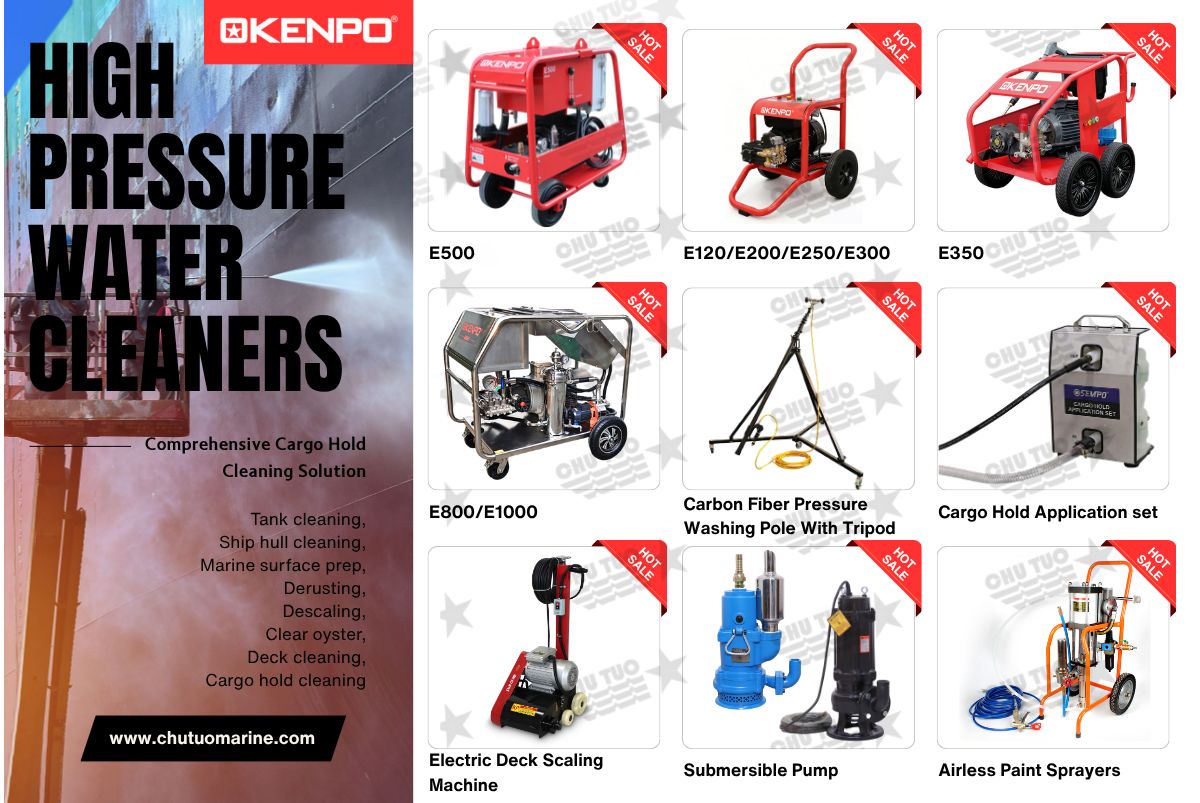
A well-planned cargo hold cleaning schedule is a proven way to minimise anchorage downtime and lower the risk of cargo contamination or survey rejection. By following the standard sequential workflow recommended by the UK P&I Club, ship managers can create dependable, predictable turnaround plans for each voyage. Effective cleaning requires the right combination of durable manual tools and powered equipment. Our marine high-pressure washers and cargo hold chemical spray kits work seamlessly with scrapers, brooms, squeegees, and scrub brushes, helping crews complete every cleaning stage efficiently and consistently.

Post time: Nov-18-2026