



Introduction
Cleaning cargo holds is among the highest-risk routine tasks performed by bulk carriers. A hold considered suitable for mineral ore may be rejected entirely when the vessel is preparing to load grain, fertiliser or food-grade bulk cargo. Many disputes involving shipowners, charterers and surveyors arise because teams assume that “clean” means the same thing in every context. Guidance from The Swedish Club identifies four distinct levels of bulk hold cleanliness, each associated with the next cargo, inspection requirements and pollution-compliance rules. Understanding these grades can help vessels avoid expensive re-cleaning, cargo contamination claims and delays in port.
Four Core Hold Cleanliness Grades for Bulk Vessels
Shovel Clean / Swept Clean
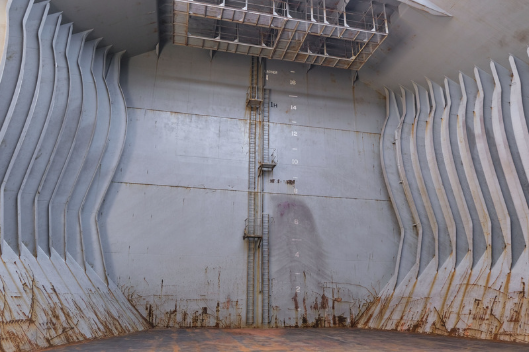
This is the most basic grade. Large, loose cargo residues are removed by shovelling, sweeping or mechanical collection. Washing is generally not required. This standard is typically accepted only when the next cargo is compatible with the previous one, such as a change between similar mineral bulks. It is unsuitable for food-grade, agricultural or high-purity cargoes. Surveyors will nevertheless look for substantial remnants that could mix with or damage the incoming cargo.
Normal Clean
A normal clean involves sweeping, washing and basic bilge cleaning. Residues from the previous cargo must be removed, and loose dust washed away. A final freshwater rinse is often recommended to minimise salt deposits. This grade is used for many changes between industrial bulk cargoes when the risk of cross-contamination is moderate. Even at this standard, crews must inspect concealed areas carefully: spaces beneath frames, hatch coamings and bilge sumps are frequent sources of failure during pre-loading surveys.
Grain Clean
Grain clean is commonly required for grains, soybeans, sugar and alumina. The cargo hold must be swept, washed thoroughly, rinsed with fresh water, dried, free of odours and cleared of insects, loose rust flakes and residual debris. Bilges must be completely dry and properly covered. Surveyors inspect for salt contamination caused by seawater washing. Chloride residue left by inadequate freshwater rinsing is a frequent, hidden risk: it can damage hygroscopic agricultural cargo and lead to costly rejection.
Hospital Clean
Hospital clean is the most stringent standard and is required for sensitive, food-safe or pharmaceutical-related bulk cargoes. It exceeds grain clean requirements and often involves targeted chemical treatment, disinfection, complete biofilm removal and comprehensive pest control. Every surface, seam and drainage channel must be inspected. Although hospital cleaning is less common, a failed inspection can have the most serious commercial consequences.
Hidden Risks Beyond Visual Cleanliness
Visual inspections alone are insufficient. Seawater washing leaves chloride salts that cannot be seen with the naked eye. Inadequate washing can also generate substantial quantities of contaminated wash water. Operators must comply with MARPOL requirements for collecting and discharging washings, particularly in special sea areas. Poor planning can result in both cargo claims and marine pollution penalties. Many vessels underestimate the time needed for ventilation and drying; moisture left after cleaning can cause mould, rust and cargo damage.
Matching the Cleaning Process to Cargo Requirements
Before beginning any cleaning operation, masters and chief officers should verify the required cleanliness grade specified in the charter party. Establish a clear sequence: remove bulk residues, wash the area, use approved cleaning agents when necessary, rinse with fresh water, drain the bilges, and ventilate the space until it is dry. Cutting steps to save time typically leads to repeat work and extended port stays.
Closing
Selecting a cleaning procedure that meets the required cleanliness grade helps reduce survey failures, claims exposure, and operational downtime. Our marine high-pressure washers and cargo hold chemical spray kits enable controlled, consistent cleaning to meet all these standards.


Post time: Nov-09-2026